

PCB Wet Process Anti-Crystallization Valve Guide
- 2026-08-31 09:53:08
- admin
- NO COMMENTS
The Role of the Circuit Board Wet Process Anti-Crystallization Valve in PCB Manufacturing
Walk along a PCB wet-process line during a busy production shift and the first problem is rarely a dramatic valve failure. It is usually something smaller. An operator notices that one chemical branch takes longer to stabilize after a command change. A valve that previously opened smoothly begins hesitating near the end of its stroke. The pressure downstream moves a little more than it did during commissioning. Then maintenance removes the valve and finds crystalline deposits around a cavity, seat, or stagnant section of the flow path.
That sequence matters in PCB fabrication because wet processing depends on repeatable chemical delivery. Etching, cleaning, plating, browning, rinsing, and surface-treatment stages all rely on controlled chemical circulation. YNTO's PCB application information specifically identifies thermoplastic valves for controlling aggressive chemicals in etching, cleaning, and related PCB processes, while its inner-layer browning application uses UPVC electric switching and control valves for chemical distribution.
When a solution becomes concentrated, cools locally, or remains trapped in a low-flow pocket, deposits can begin forming. The result is not only a dirty valve. Crystal accumulation increases resistance around the closure element, operating torque rises, actuator movement becomes less predictable, and eventually sealing or process repeatability suffers. This is where anti-crystallization valve design becomes particularly valuable.
The Fundamentals of PCB Fabrication
PCB fabrication is a sequence of closely controlled mechanical and chemical operations rather than a single manufacturing step. Copper surfaces are cleaned, etched, conditioned, plated, rinsed, and treated several times before the finished circuit reaches final inspection. Wet chemical processing, therefore, sits at the center of many multilayer PCB production lines.
From a valve engineer's perspective, the difficult part is not simply moving liquid from one tank to another. Concentration, temperature, flow rate, pressure differential, and chemical compatibility need to remain reasonably stable from batch to batch. If the flow through one spray or circulation branch drifts, the chemical exposure experienced by the board can change with it.
This is also why material selection cannot be separated from process performance. Strong acids, alkaline solutions, oxidizing chemicals, plating liquids, and rinse streams can all appear within the same facility. For these services, thermoplastic plastic ball valve solutions made from materials such as UPVC, PP-H, or PVDF can provide a practical alternative to conventional metallic valve construction when chemical compatibility allows it. YNTO lists PVC-U, PVC-C, PP-H, and PVDF options for its plastic valve range, along with EPDM and FPM sealing choices.
An Overview of Wet Processing Techniques
A wet PCB line repeatedly exposes the product to chemical solutions. Etching removes selected copper. Cleaning removes residues. Plating builds conductive layers. Browning or oxide-related surface treatment prepares inner copper surfaces for subsequent lamination steps.
The valve sees a different problem from the circuit board. It sees the chemistry continuously.
During commissioning, engineers often pay close attention to branches where the valve operates only intermittently. A continuously circulating line may remain relatively clean because velocity discourages settling. A bypass or dosing line that sits closed for long periods is different. Fluid trapped around the seat or inside a body cavity may cool, evaporate slightly, or become locally concentrated.
That creates a familiar engineering chain. The chemical concentration rises in a stagnant pocket, deposits begin to precipitate, the moving element encounters additional friction, and actuator torque gradually increases. If the problem continues, opening and closing times become inconsistent. What started as crystallization becomes a control problem.
Pressure variation produces another failure path. Repeated differential-pressure fluctuations can cause small movements around the closure element or seat. Those micro-movements accelerate localized wear. Surface damage then gives deposits additional places to attach, which further increases resistance and eventually delays valve response.
These effects explain why precision engineering in PCB wet processing involves the valve body, actuator, piping layout, drainage characteristics, and chemical compatibility as one system.
Delving Into Anti-Crystallization Valves
An anti-crystallization valve should not be viewed as a magical material that prevents every chemical from forming crystals. It is better understood as a valve selected and engineered to reduce the places where deposits can form and to maintain reliable movement when handling crystallization-prone fluids.
YNTO's technical discussion of anti-crystallization ball valves describes the underlying field problem in similar terms: crystallizing media can deposit around the ball and cavity areas, increasing operating torque and placing additional load on the ball, seat, stem, and actuator connection. Designs that minimize cavities, maintain smoother flow paths, and use suitable low-friction sealing interfaces can reduce this risk.
Key Features and Specifications
For PCB chemical service, the first specification I normally check is not actuator voltage. It is wetted-material compatibility.
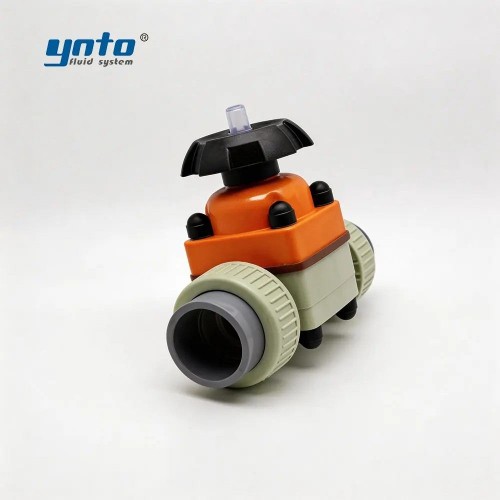
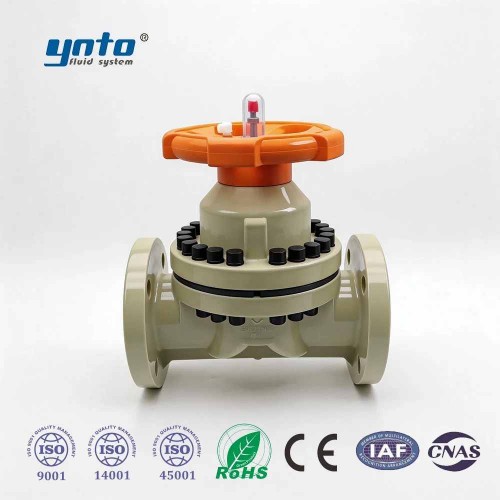
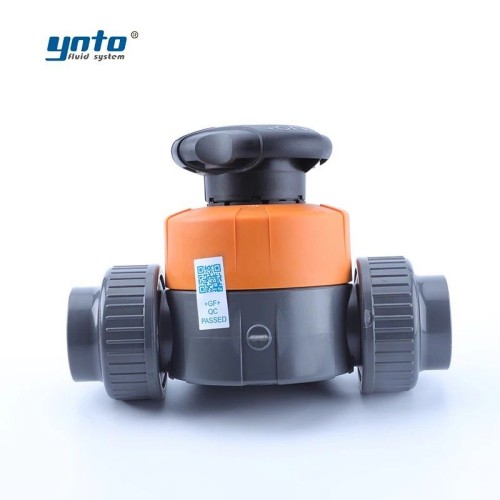
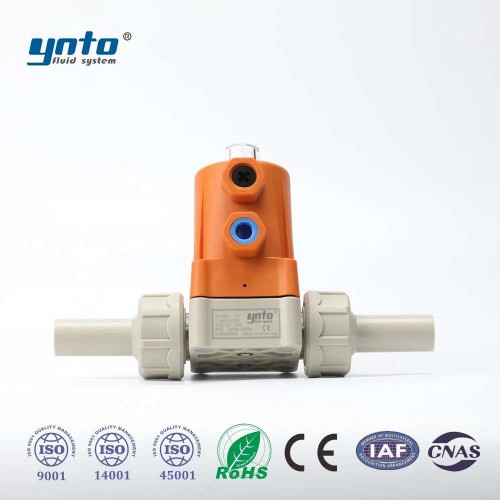
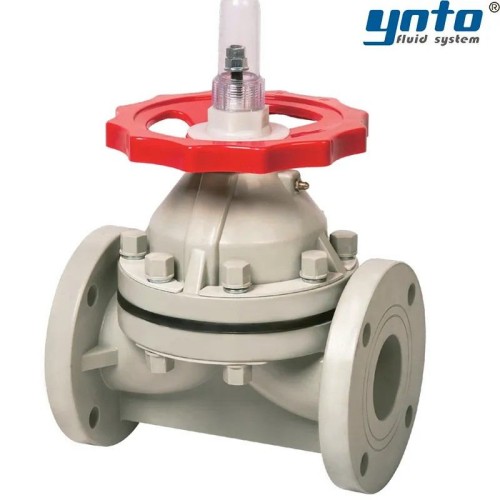
PVDF is often attractive where stronger chemical resistance and elevated process temperatures are involved. PP-H and UPVC can be economical choices for many acid, alkaline, water-treatment, and chemical-distribution duties. Where the application favors diaphragm isolation, YNTO's chemical-resistant diaphragm valve range includes thermoplastic and PVDF configurations intended for chemical and semiconductive applicationsductor applications.
Seals require the same attention. PTFE offers broad chemical resistance, while EPDM or FKM may be appropriate depending on the exact acid, alkali, solvent, oxidizer, temperature, and concentration. Material selection should always be based on the actual process chemistry rather than a generic statement that one elastomer is "chemical resistant."
316L stainless steel still has a place in electronic manufacturing, particularly where mechanical strength, cleanliness, or specific chemical compatibility favors metal construction, but it should not automatically replace thermoplastics in aggressive wet chemical service. For especially corrosive systems, Duplex or Super Duplex can offer improved mechanical and corrosion performance, although the economics may be difficult to justify when PVDF or lined construction already fits the process.
How They Mitigate Crystallization Issues
Good anti-crystallization performance begins by reducing stagnant volume. A full or relatively unrestricted bore allows the chemical to move through the valve without creating unnecessary pockets. Smooth internal surfaces make deposit adhesion more difficult. Correct sizing keeps velocity and differential pressure within a useful operating range.
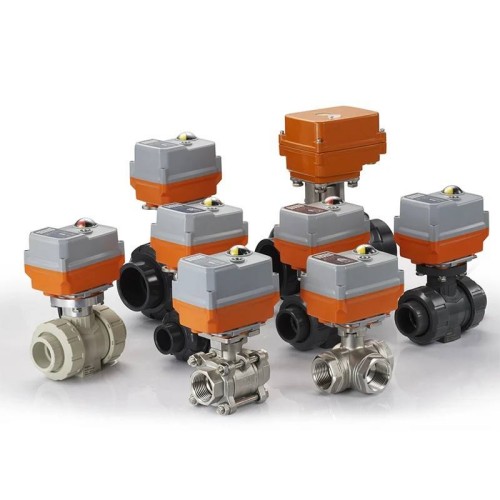
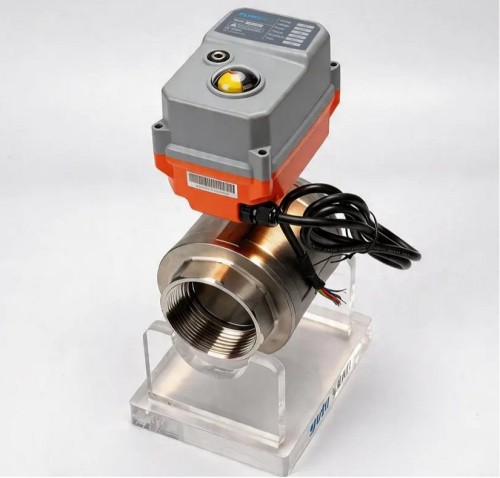
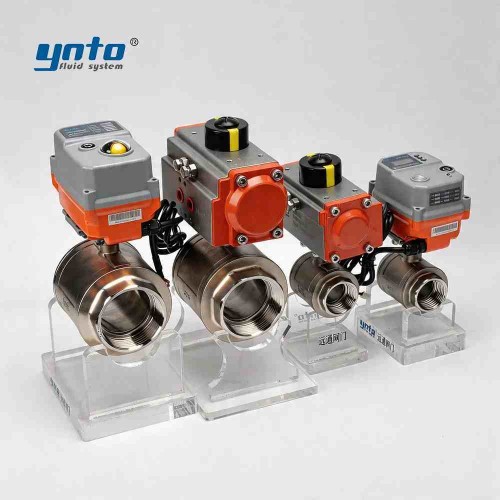
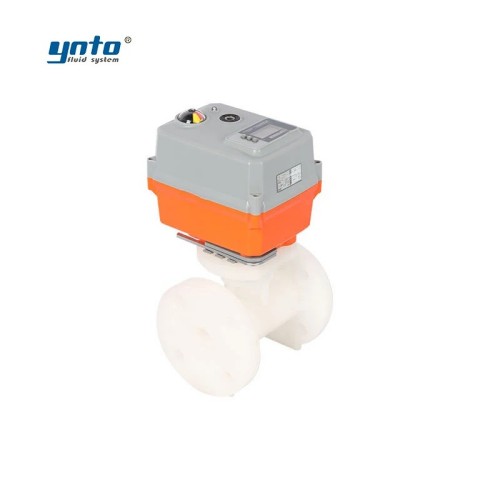
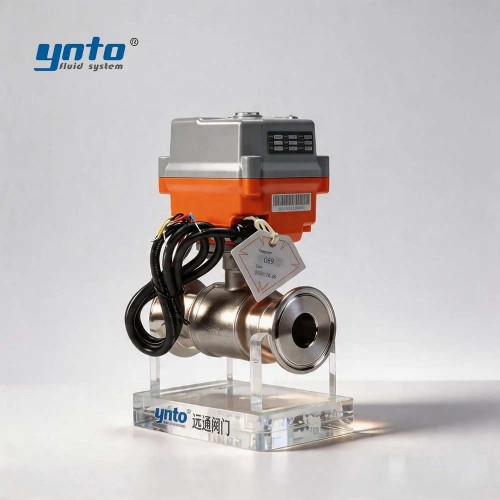
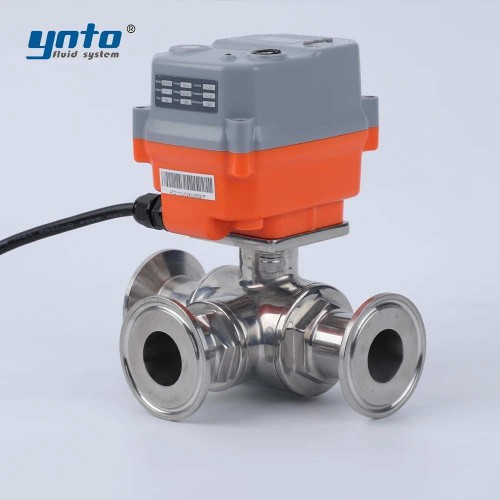
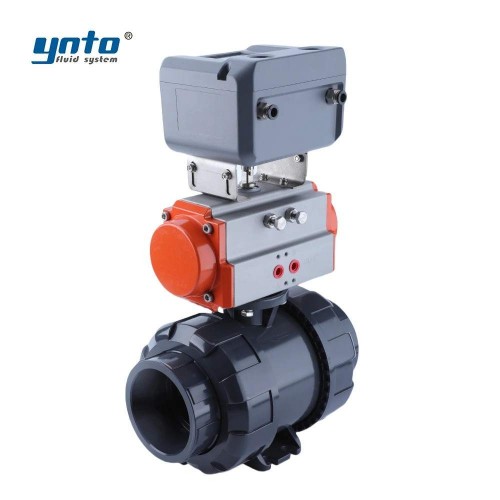
Automation matters as well. A valve that moves positively through its commanded stroke is less likely to spend long periods hunting around one intermediate position. For automated chemical routing, an electric ball valve system can be integrated with PLC or process-control architecture when remote switching or modulating operation is required. YNTO's electric valve range includes plastic configurations intended for chemical, semiconductor, electroplating, and water-treatment duties.
For engineers working on-site, another useful detail is actuator mounting. ISO 5211:2026 specifies dimensional and torque-related requirements for mounting part-turn actuators to industrial valves. Standardized interfaces simplify actuator replacement and reduce the chance that an improvised bracket or coupling becomes the weak point in an otherwise reliable valve assembly.
Benefits for Electronic Manufacturing
Boosting Manufacturing Efficiency
Manufacturing efficiency on a PCB wet line is closely connected to process stability. Frequent valve cleaning, actuator overload alarms, chemical leaks, or unstable flow conditions consume technician time and interrupt production.
Consider a circulation loop containing a solution that gradually crystallizes as it cools. Deposits form around a conventional valve cavity, operating torque increases, and the actuator begins taking longer to reach its limit position. Maintenance initially resets the actuator. A few weeks later, the same fault returns.
Changing only the actuator does not solve the problem.
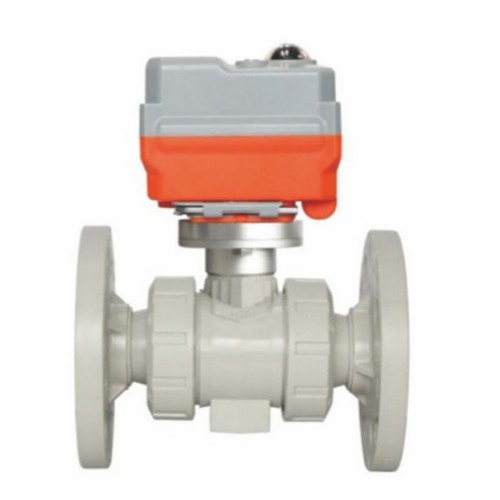
A better solution is to examine valve geometry, chemical compatibility, line flushing, temperature profile, and dead volume together. For corrosive chemical distribution where electric automation is preferred, a PPH flanged electric ball valve can be considered where its pressure, temperature, media compatibility, and connection requirements match the application. YNTO specifies low flow resistance, corrosion resistance, ISO 5211 actuator mounting, and multiple thermoplastic material options for this product family.
Reliable valve operation also helps reduce unnecessary chemical consumption. If each branch receives predictable flow and shuts off cleanly, operators need fewer corrective adjustments, and the process becomes easier to reproduce.
Effect on Product Longevity and Reliability
A valve does not directly determine circuit-board life, but unstable wet processing can influence manufacturing consistency.
Imagine an etching branch where a partially obstructed valve causes gradually declining circulation. Flow falls first. Chemical distribution then becomes less uniform. The process window narrows, and the risk of inconsistent treatment rises. In precision PCB fabrication, small process inconsistencies can become quality problems further downstream.
Chemical leakage creates an additional concern. Corrosive media attacking an unsuitable valve body or seal can cause surface deterioration, followed by seepage and eventually a containment failure. Apart from lost production, such failures expose personnel and surrounding equipment to hazardous chemicals.
This is where plant safety procedures become inseparable from valve specification. Pressure containment, isolation capability, leak detection, chemical PPE requirements, emergency flushing procedures, and safe maintenance access should all be considered before a valve is installed.
Considerations for Implementation
Cost vs. Performance
Procurement teams sometimes compare valves only by nominal size, connection, and price. In PCB chemical service, that is rarely enough.
A lower-cost valve that requires frequent cleaning may become more expensive over its operating life than a better-matched corrosion-resistant design. The calculation should include maintenance labor, replacement seals, actuator failures, chemical loss, line downtime, and the cost of production interruption.
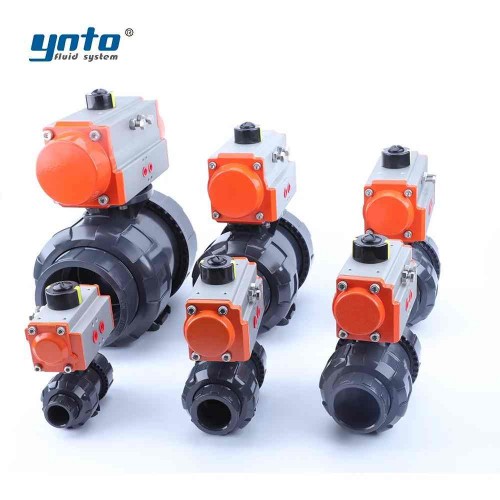
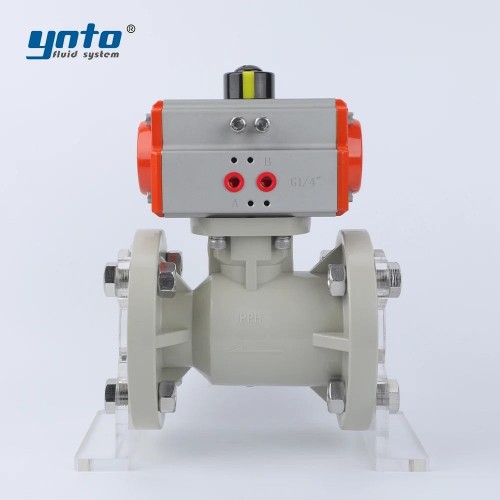
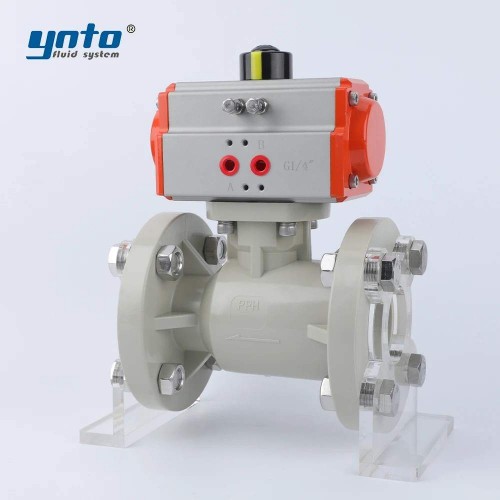
Actuation method changes the economics as well. Electric actuators are useful where electrical control is already available and precise remote positioning is required. Pneumatic actuation remains attractive in fast-cycling production environments with established compressed-air infrastructure. For chemical-transfer applications requiring rapid automated isolation, a pneumatic plastic ball valve provides another corrosion-resistant automation route. YNTO lists PCB equipment, electroplating, semiconductor, chemical, and water-treatment systems among the applications for this type of valve.
The correct choice comes from lifecycle performance, not actuator preference alone.
Integration with Existing Systems
Before replacing an existing valve, engineers should verify the pipe standard, face-to-face dimensions, available actuator clearance, control signal, fail position, flow coefficient, operating pressure, and maximum chemical temperature.
Standards also require some judgment. ANSI- and DIN-pattern connections are common purchasing references for international projects, and YNTO's thermoplastic valve specifications list DIN, ANSI, and JIS connection standards. ISO 5211 is directly relevant to part-turn actuator mounting.
ASME and API requirements need to be interpreted according to valve construction. ASME B16.34 covers pressure-temperature ratings, materials, dimensions, testing, and marking for metallic industrial valves, while API 608 specifically addresses metal ball valves. Those standards may therefore be relevant to stainless-steel sections of a PCB utility or chemical system, but they should not simply be imposed on a thermoplastic PVDF or UPVC valve as though the construction were identical.
This distinction matters during purchasing. A specification that lists every familiar valve standard without considering the actual material and service can create confusion rather than quality assurance.
Moisture control deserves similar precision. An anti-crystallization valve is not a humidity-control device. Its contribution is indirect: stable isolation, drainage, rinsing, and chemical routing help prevent unwanted liquid carryover between wet-processing stages. Environmental humidity must still be managed by the facility's dedicated cleanroom and process-control systems.
Conclusion: The Future of PCB Technology
As PCB fabrication moves toward finer circuitry, higher-density interconnections, and tighter process windows, wet-processing equipmentt has less tolerance for inconsistent chemical delivery. The valve is a small component, but it sits directly in the path of the chemistry that determines process repeatability.
For crystallization-prone media, the practical engineering priorities are clear: minimize stagnant spaces, select materials against the actual chemical concentration and temperature, maintain dependable sealing, size the valve correctly, and choose an actuator capable of delivering reliable torque throughout the operating cycle.
For PCB manufacturers, semiconductor-processing equipment builders, and chemical-distribution system integrators, YNTO's thermoplastic, diaphragm, electric, and pneumatic valve ranges provide multiple routes for building corrosion-resistant automated fluid-control systems. The strongest solution is not simply the valve with the highest specification. It is the valve whose geometry, material, actuator, and control strategy fit the real process.
That is the point where anti-crystallization design becomes valuable—not as a label, but as a way of keeping wet-process chemistry moving predictably over years of production.
- 2026-10-23 10:30:14
- 2026-10-21 10:41:51
- 2026-10-19 08:49:57