

Aseptic Sampling Valves in Pharmaceutical Manufacturing
- 2026-08-26 09:05:47
- admin
- NO COMMENTS
At the sampling point beside a formulation vessel, trouble rarely arrives as a dramatic failure. It starts with a few drops that do not drain cleanly, a handle that feels slightly heavier after repeated steam cycles, or a sample stream that pulses instead of running steadily. During inspection, engineers may also find a faint moisture trace around the diaphragm seat. None of these signs looks serious in isolation. In a sterile process, though, each one deserves attention.
The chain can move quickly. Repeated heating and cooling hardens an unsuitable seal, the tired material loses resilience, and a microscopic leak path appears. Pressure fluctuations can create another problem: the valve plug vibrates, the sealing surface wears, and sample flow becomes less predictable. The immediate result may be a delayed test. The larger risk is a sample that no longer represents the batch—or a sampling point that compromises the sterile boundary.
The Role of Aseptic Sampling Valves for Pharmaceutical Manufacturing in Ensuring Product Integrity
The Significance of Aseptic Techniques
Role in Preventing Contamination
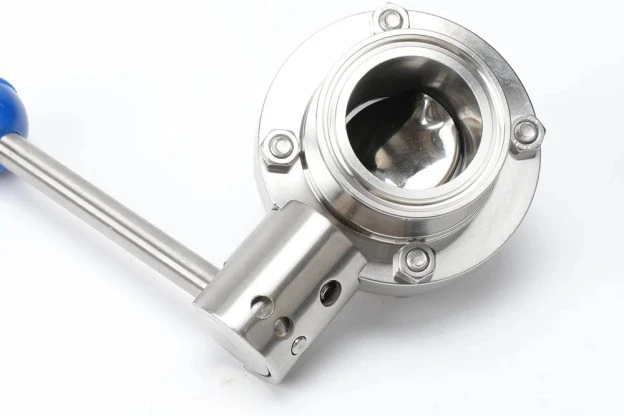
Good aseptic technique depends on controlling every contact between product, equipment, operator, and environment. A sampling valve is one of those contacts. It must let an operator withdraw a representative volume without exposing the main process to room air, contaminated tools, or residue from the previous sample. A properly selected sanitary diaphragm valve supports that boundary by separating the operating mechanism from the process fluid and providing surfaces that can be cleaned and sterilized.
The detail engineers watch is drainability. If a pocket remains wet after cleaning, residue can shelter microorganisms or dilute the next sample. Smooth product-contact surfaces, a short outlet path, and a valve orientation that allows complete drainage are therefore more useful than a broad “hygienic” label on a datasheet.
Criticality in Pharmaceutical Production
In pharmaceutical production, a bad sample can mislead the quality team in either direction. Contamination introduced during collection may trigger an investigation even when the batch is sound. A non-representative sample may also hide a real process deviation. Both outcomes consume time, but the second can threaten patient safety.
The valve must also remain safe under pressure and temperature. Opening a sampling point against an unexpected pressure surge can expose personnel to hot liquid or steam. For engineers working on site, interlocks, pressure verification, personal protective equipment, and a written sampling sequence are part of the valve solution—not administrative extras added later.
Overview of Aseptic Sampling Valves
Design and Features
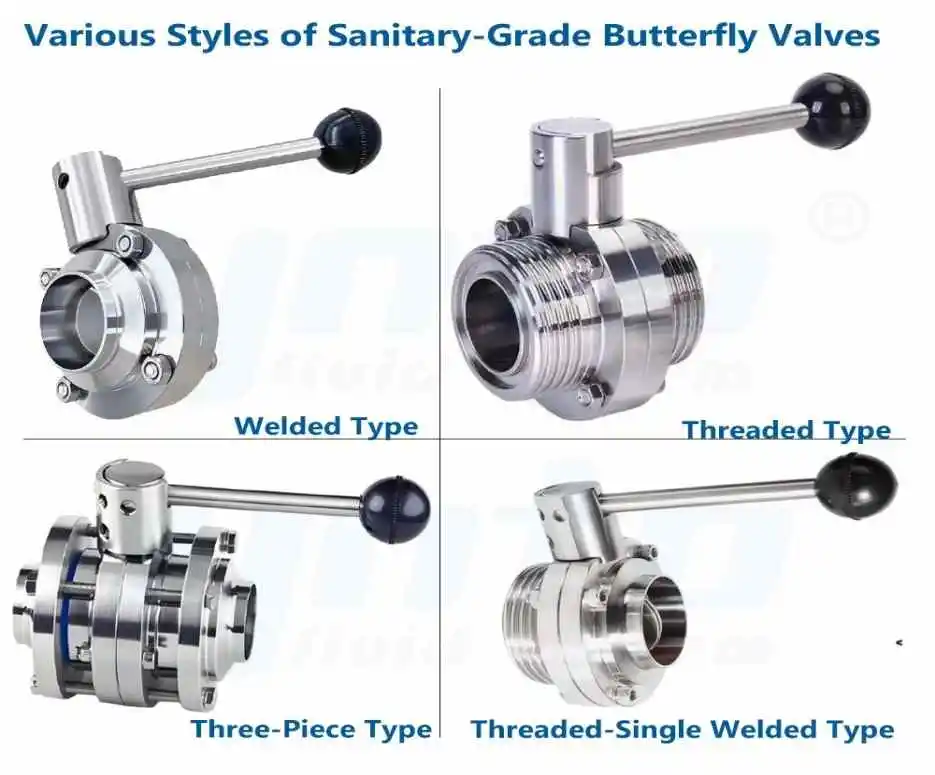
An aseptic sampling valve is best judged by the surfaces the product actually sees. The body should minimize crevices, the outlet should drain, and the closure should isolate the process when the sample line is being flushed or sterilized. 316L stainless steel is widely favored for pharmaceutical contact service because it offers good corrosion resistance and can be finished to a low surface roughness. The fabrication quality, weld condition, and documented finish matter as much as the alloy name.
Diaphragm choice is equally practical. EPDM may suit many water and steam-cleaning duties, while PTFE-faced designs can improve resistance to aggressive formulations or cleaning agents. The broader diaphragm valve range helps procurement teams compare sanitary, pneumatic, and corrosion-resistant configurations, but the final selection still has to match the validated process envelope.
Operational Mechanisms
During sampling, the closure lifts only enough to establish a controlled path from the vessel to the outlet. After the required volume is collected, the valve reseats and the exposed channel is flushed, steamed, or otherwise sanitized according to the approved procedure. Manual designs are simple and visible. Pneumatic versions support repeatable timing and remote operation.
One commissioning clue is a sample stream that starts with a spurt and then falls away. That behavior may indicate trapped condensate, excessive upstream pressure, or an actuator stroke that is too abrupt. Reducing the symptom without finding the cause is risky; throttling the operator’s technique cannot correct poor piping geometry or a damaged diaphragm.
Enhancing Process Automation
Streamlining Pharmaceutical Engineering
Process automation can reduce unnecessary operator intervention around a critical sampling point. A pneumatic sequence may confirm vessel pressure, open the valve for a defined time, close it, and then run a sterilization step. Position feedback can record whether the commanded movement actually occurred. In pharmaceutical engineering, this repeatability is valuable because it turns a person-dependent task into a controlled sequence with reviewable data.
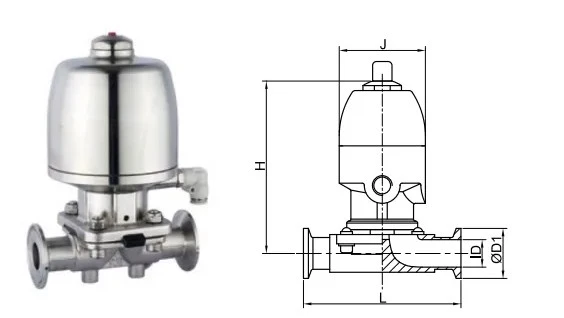
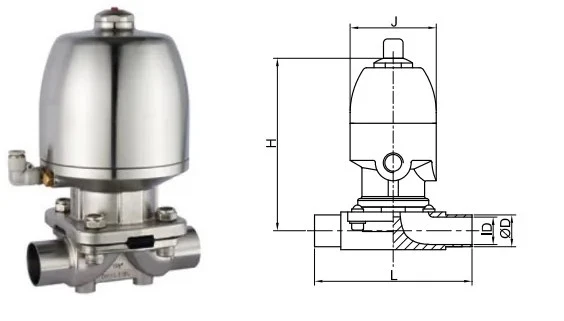
Automation still needs mechanical discipline. Instrument-air pressure that drifts below the actuator requirement can slow closure; a slow closure permits excess sample flow, leaves more product in the outlet, and lengthens cleaning. A 316L pneumatic diaphragm valve can suit automated sanitary service, provided its wetted construction, surface finish, pressure range, and CIP/SIP conditions are verified for the actual process.
Benefits of Automation on Product Integrity
The strongest benefit is consistency. Defined valve travel, sampling time, flush duration, and sterilization exposure reduce variation between shifts. Meanwhile, alarms for failed position, low air pressure, or incomplete sterilization allow the team to stop before an unreliable sample enters the laboratory workflow.
More automation is not automatically better. A sophisticated actuator without accessible diagnostics can make troubleshooting slower. The design should fail to a known state, allow safe manual recovery, and preserve electronic records where GMP compliance requires them. Product integrity improves when the control logic, valve mechanics, and operating procedure agree.
The Role of Process Validation
Ensuring Reliability and Safety
Process validation should demonstrate that the sampling method works repeatedly across the intended operating range—not only during a quiet water trial. Engineers should challenge minimum and maximum vessel pressure, product viscosity, sampling volume, cleaning chemistry, sterilization temperature, and expected cycle count. They should also confirm that the collected sample is representative and that the valve does not create an unacceptable hold-up volume.
Reliability evidencence may include seat-leak checks, drainability observations, surface-finish records, material certificates, weld documentation, and diaphragm replacement criteria. Pressure safety requires a separate review. ANSI/ASME pressure-class rules may govern flanged utility interfaces, while API 598 may appear in plant specifications for conventional isolation valves; neither reference by itself demonstrates hygienic cleanability or sterility at an aseptic sampling point.
Compliance with GMP Standards
GMP compliance is built from documented control rather than a single certificate. FDA aseptic-processing guidance emphasizes suitable equipment, contamination prevention, validated processes, and controlled interventions. EU GMP Annex 1 likewise places sterile manufacture within a contamination control strategy. For the valve, that translates into a defined user requirement, qualified installation, validated cleaning and sterilization, controlled maintenance, and traceable changes.
ASME BPE is directly relevant because it addresses materials, hygienic design, fabrication, inspection, testing, and certification for bioprocessing equipment. ISO 14644 supports cleanroom classification and monitoring around the operation. Where European aseptic tubing systems are specified, DIN 11866 can shape tube dimensions, materials, surface condition, and compatibility with welded components. These standards influence procurement and testing, but the site must still prove that the assembled sampling system performs in its own process.
Addressing Chemical Compatibility
Factors Affecting Compatibility
Chemical compatibility is not determined by the product alone. Cleaning agents, concentrations, exposure time, sterilization temperature, and pressure cycling may be harder on the valve than the formulation. A seal that looks stable at room temperature can swell after repeated caustic cleaning; swelling raises operating force, the valve begins to close unevenly, and the seat eventually develops a small leak.
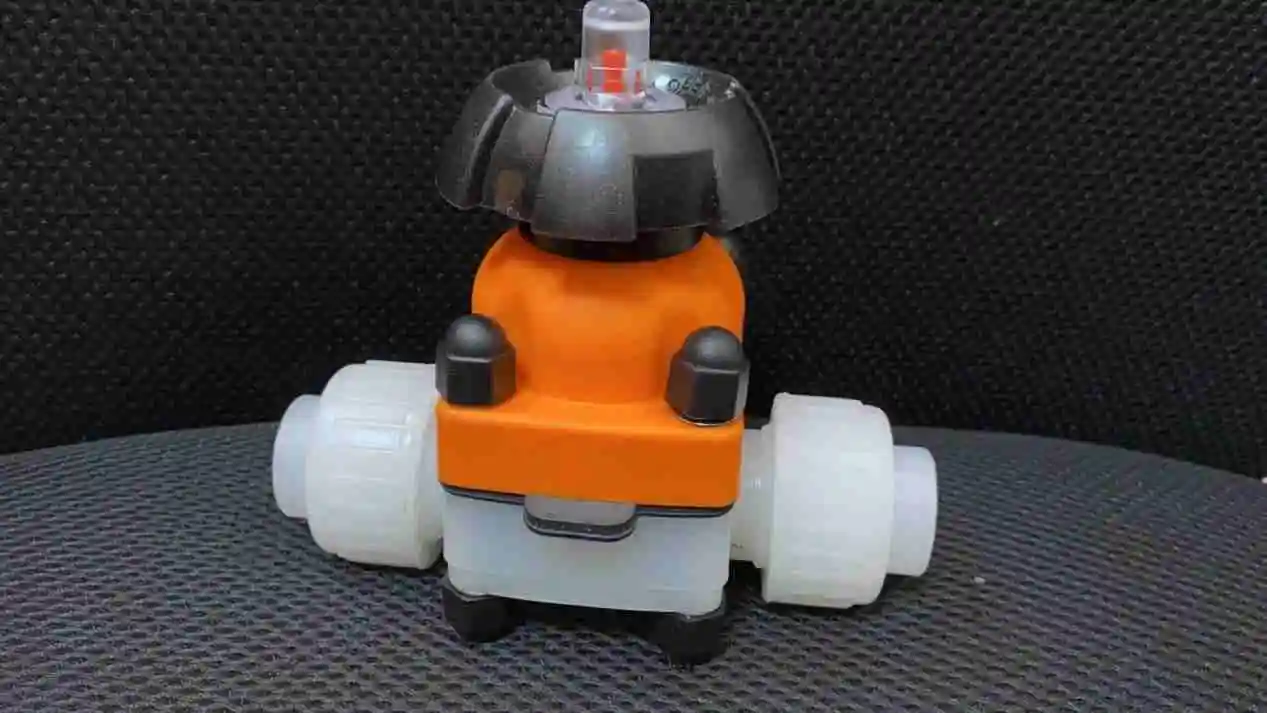
316L performs well in many pharmaceutical services, yet chlorides or strongly corrosive chemistries can still cause localized attack under unfavorable conditions. For aggressive or high-purity nonmetallic duties, a PVDF diaphragm valve may merit evaluation. It should not be substituted simply because it is “corrosion resistant”; temperature, pressure, extractables, connection design, and validation requirements must all remain acceptable.
Best Practices for Material Selection
Start with a complete media list, including product, purified water, steam, acids, alkalis, disinfectants, and any solvent used during changeover. Then compare 316L, EPDM, PTFE, and PVDF against the worst combined exposure—not separate, idealized conditions. Supplier compatibility tables are screening tools. Immersion tests, cycle testing, and documented plant experience provide stronger evidence when failure would carry high batch risk.
Engineers should also inspect the consequence of material mismatch. Corrosion creates rough areas; rough areas retain residue; retained residue weakens cleaning assurance and shortens service life. For seals, loss of elasticity can increase required torque or actuator force before visible leakage appears. Replacement intervals should therefore be based on validated cycle limits and condition trends, not only on calendar time.
Conclusion
Recap of the Importance of Aseptic Sampling Valves
An aseptic sampling valve protectsts product integrity by controlling a brief but high-risk connection between the process and the outside environment. Its value comes from cleanable geometry, compatible materials, reliable closure, safe pressure management, and a sampling sequence proven through process validation. When one of those elements is weak, the first warning may be only a drip or a hesitant sample stream. That is precisely why experienced teams investigate small changes early.
Call to Action for Industry Professionals
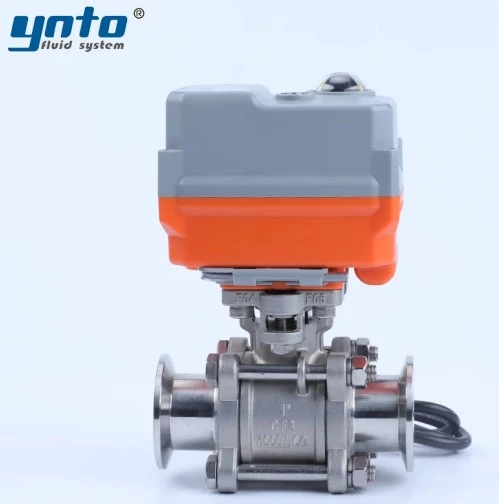
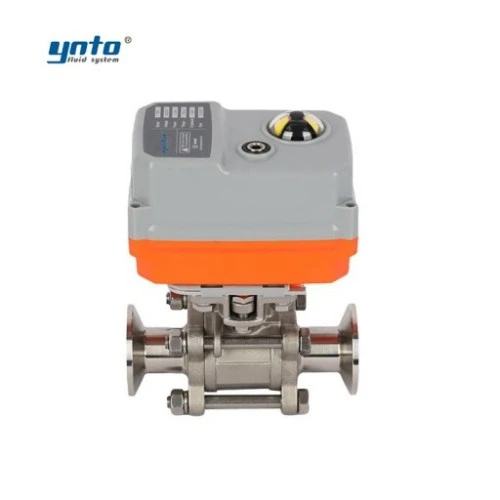
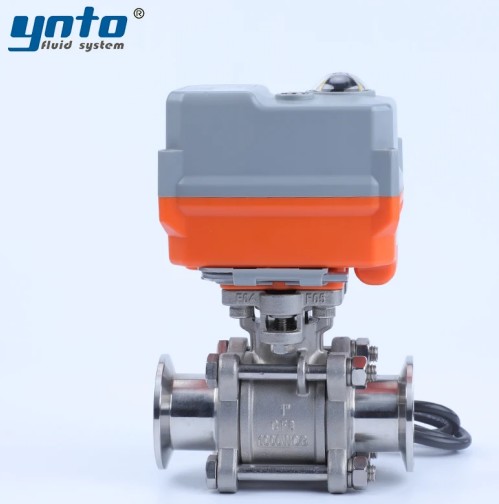
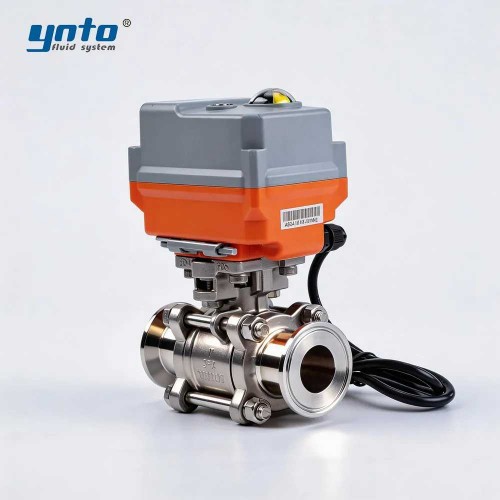
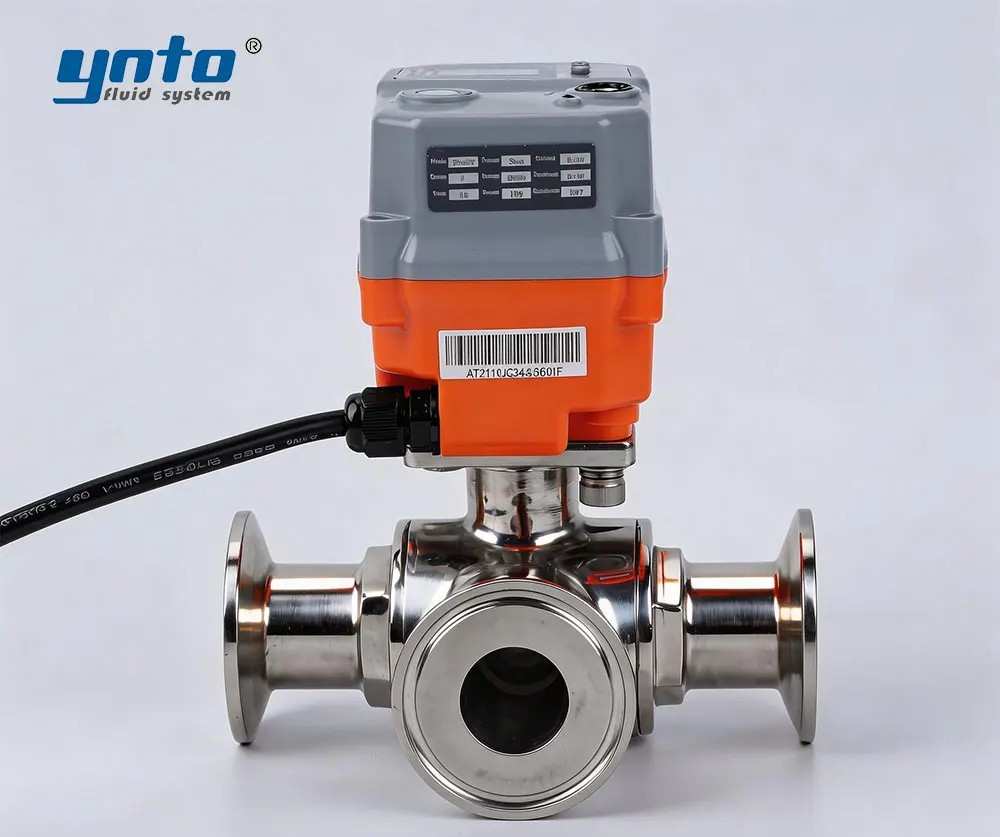
Before purchasing, give the supplier the real process envelope: media, pressure, temperature, CIP/SIP cycle, required surface finish, connection standard, actuation method, and validation documents. If remote operation or recorded position feedback is part of the design, compare suitable electric actuators for process automation with the pneumatic and manual options used elsewhere on the skid. Ask YNTO to review the application and propose a valve configuration that can be qualified, maintained, and operated safely—not merely one that fits the pipe size.
- 2026-10-09 14:26:55
.png?imageMogr2/format/webp)
- 2026-09-30 08:25:23
- 2026-09-28 10:28:43